IN THIS BULLETIN...
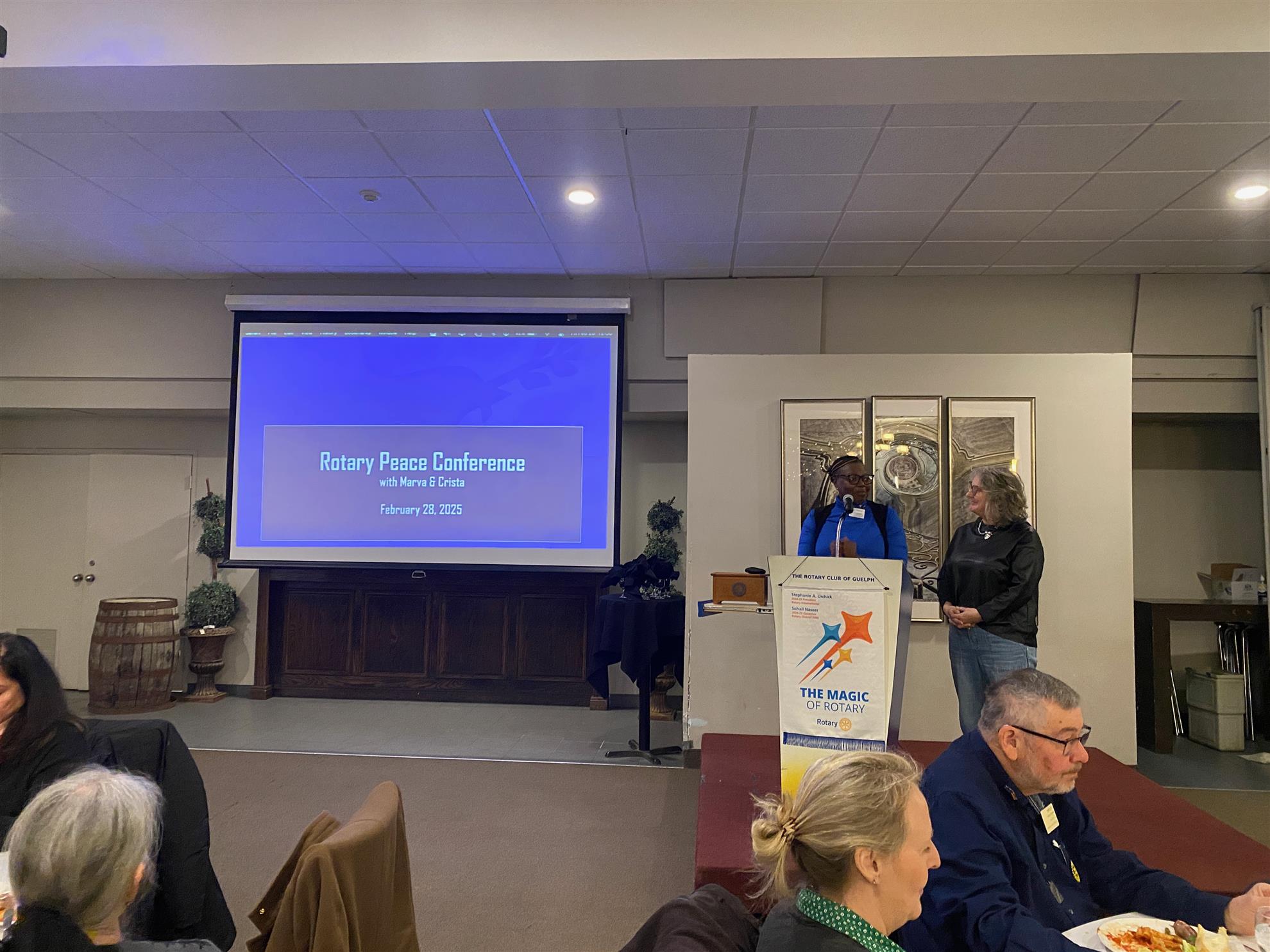
We cover last Friday's meeting, February 28th, where Marva Wisdom and Crista Renner, our President Elect and President Elect Nominee, discussed the Rotary International Peace Conference they attended in Istanbul.
President Martin began the meeting with a land acknowledgment followed by the singing of our national anthem and a moment of silent for peace.
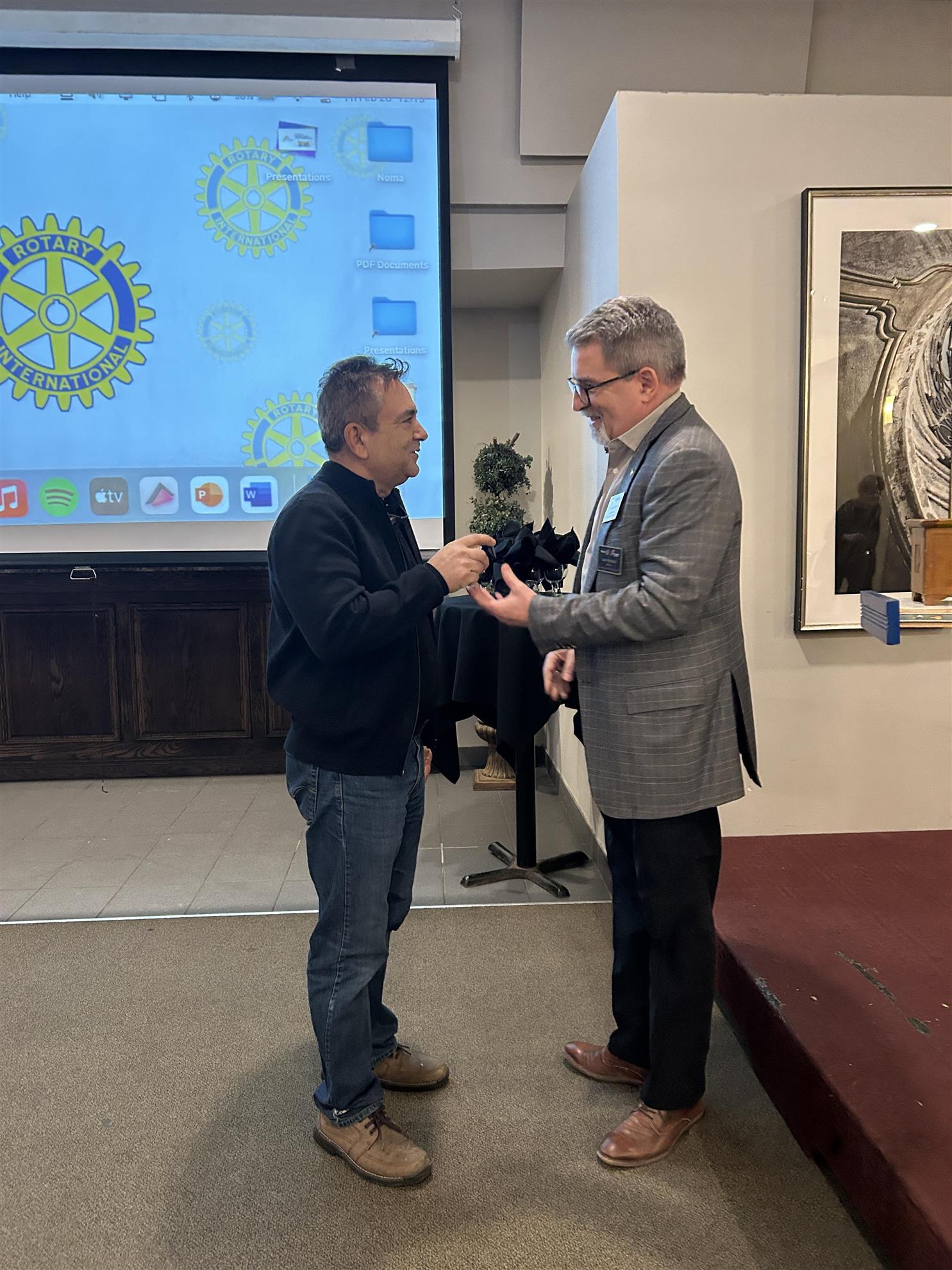
Our President than presented Faz Ashkar with his 4th Paul Harris Fellowship.
Thank you for all the amazing work you do Faz!
President Martin also announced that it was Ray Funnel's 50th membership anniversary. Congratulations, Ray!
The President than discussed the upcoming visioning exercise on March 22nd. This meeting is designed to create a multi-year plan of action for our club.
President Martin than opened the floor for announcements and Happy Bucks from the club.
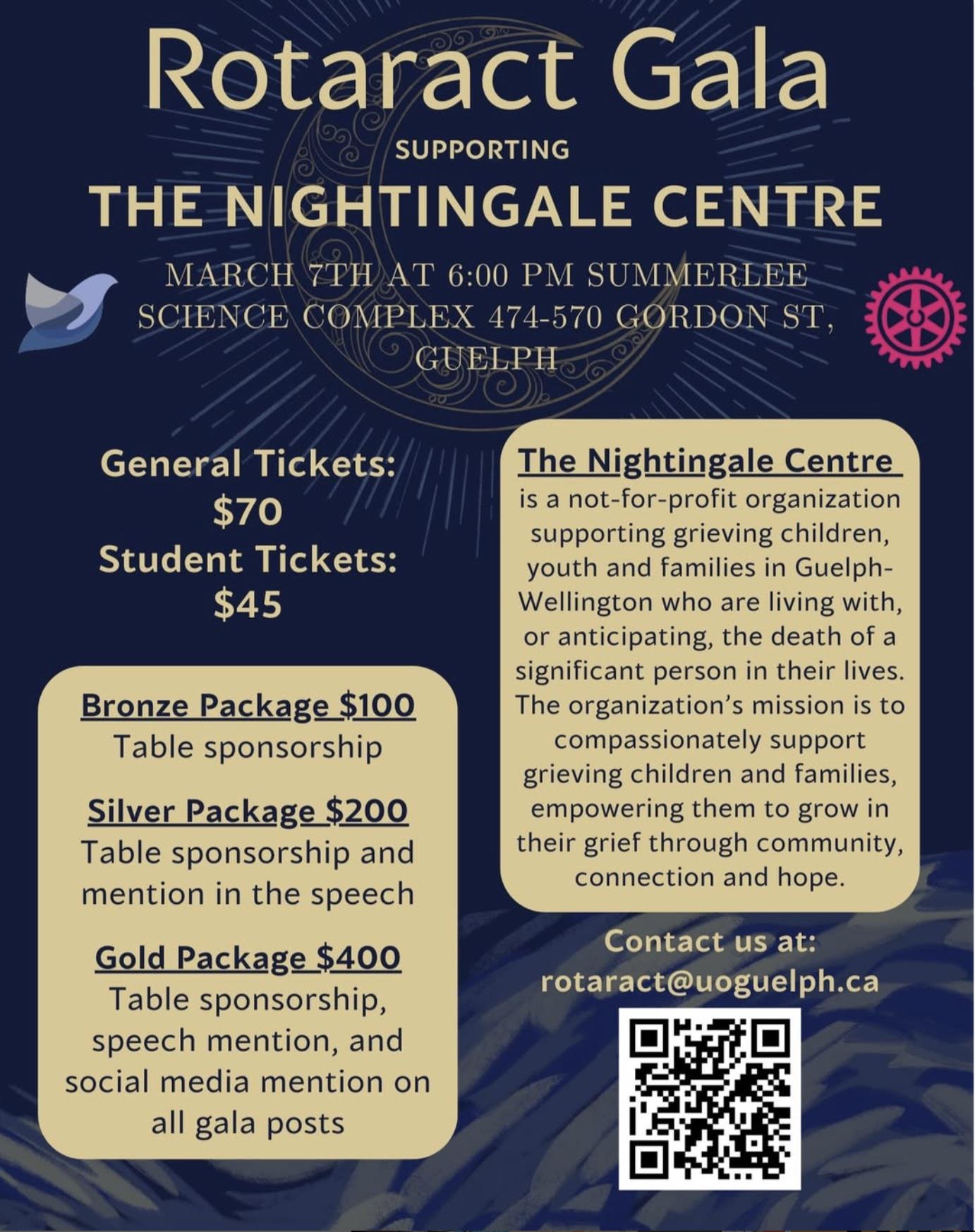
Terrie Jarvis made an announcement about the upcoming Rotaract Gala on March 7th. If you're free that evening, make sure to buy a ticket and support our local Rotaract club!
Terrie also discussed a school chess tournament she attended this week at St. Peter's. It was for elementary school students. Over 200 children participated from 18 different schools. She asked a little girl in grade 3 what her favourite part about playing chess was and, after thinking for a few seconds, she said, "when I'm playing chess I feel like I'm dreaming."
Matt Webster read an email from one of our speakers from Sanguen thanking our club for having them speak.
Ian Smith asked club members to see him for tax receipts.
Aidan Harris spoke about the panel event that the Eradicating Human Trafficking Committee hosted on Monday. They had over 60 people in attendance and signed up 30 people for their lawn sign campaign. The event was highly informative and well-received by participants.
Lastly, past president, Mahmud Hassain talked about the chess tournament that Terrie attended. He was there as well. He also discussed a biography written by the first black police chief in Canada. He has eight signed copies of the book for anyone that is interested.
After announcements, lunch was served. Following lunch was Marva and Krista's talk to our club.
Marva began by discussing how she and Crista had asked our club to send them questions that they could ask and hope to answer during the conference. She also invited members to follow-up with questions after their presentation.
When Marva and Crista first arrived at the conference, they didn't know what they were going to walk into. Especially with the conference being organized by American Rotarians. And so, Marva and Crista's expectations were muted.
Marva explained that Rotary chose Istanbul, "because it stands as the city that bridges the world." It straddles two continents: Asia and Europe, with "old meeting new." It is also a city of diverse religions and cultures. Marva and Crista were, "very excited whenever it was call to prayer time. It was just fun."
To the joy of Marva and Crista, Rotary International pointedly restated its commitment to diversity and inclusion. As an international organization, diversity is one of Rotary's greatest strengths.
Marva then asked a question about the climate crisis and environmental justice. She asked, "what percentage of the world" is made up by Indigenous people? Followed by, "What percentage would you say of the biodiversity are they protecting?" The answers: Indigenous people make up 5% of the world's total population, but they are the forerunners in protecting 80% of our natural habitats.
So when we are working with Indigenous peoples we are often also working to protect our environment.
When Marva and Crista arrived in Istanbul, to their surprise, it was snowing. Crista joked that they brought the snow with them. People in the city were, "making snowmen from the snow on the cars. It was so funny. Schools were closed for two days because of snow." Even though it wasn't much snow by our standards. Marva said, "they were having so much fun, because it usually never happens."
Marva discussed how, at one point during the conference, she said, "I need to address the elephant in the room. I am from Canada, and we do not want to be the 51 state, and people laughed." She described like a balloon being popped. After the session, "all these Americans were coming up and apologizing. We're so sorry, we're so sorry."
Crista spoke about her background in peace building and conflict resolution and how this led her to be curious about how, "the bigger world is affecting us." Crista has seen higher levels of anxiety among individuals. People are, "upset, they're angry, they're polarized."
"When we're in this state," she said, "it's difficult to come together and hear one another." So, Crista wanted to hear what's going on in the bigger world.
Marva and Crista then focused the presentation on what they learned during the conference.
They began by highlighting the fact that the United Nations Assistant Secretary, was there to do a presentation and share some information with Rotarians.
The Assistant Secretary discussed how the UN needed a transformation in global governance to meet today's challenges. She was open about the challenges they are facing and that they need to make greater use of the UN Charter.
The Assistant Secretary also talked about $2.4 trillion spent on war and a pittance spent on peace and prevention of war. Sometimes was happens, like in Ukraine where they have to defend themselves, but in many cases war is sought. All the resources invested into war could be used to improve, "education and food and all the other things that we need, infrastructure, housing and meet basic needs, and part of what rotary service is all about that it reduces the incidence of conflict. And war starts with small conflicts, and it grows and peaceable countries, it's important for us to know this, peaceable countries always have a higher GDP than countries at war peaceable countries. So what is peace worth to us?"
Crista expanded on this last point, "if we think of the unhoused downtown, that lack of shelter in our own community, created [lesser] levels of ...peace in our community. So yes, it's easy to look at in a big, big picture, but if you go through the hierarchy of needs, you address those things," you build peace locally as well.
Crista returned to the presentation, "here's some of the key takeaways, again, bigger picture, but we are in the midst of information warfare. It is a kind of warfare that we don't really think about and the weapon of choice is misinformation. And not only is it warfare, we're in the middle of an epidemic, and the counter act to that is a greater need for education."
So, as individuals, we can each advocate for greater funding and support for our education systems.
"It is up to you to understand what is the real story here," Crista said, "because we all become combatants in the sharing of information."
This has manifested in distrust between family members and distrust with our government institutions. We need to rebuild this trust in each other.
One of the simplest ways of doing this, Crista explained, is having tough conversations. avoidance, avoiding, having the tough
There is also a perception that polarization is stronger than it actually is. "We all feel polarized right now because last night we had election and you were either for Doug Ford or against Doug Ford. We have two sides when, in fact, actually, there's all kinds of intersections of conversations that we could get into that would leave us less polarized, but we're not having those conversations." So a big part of combatting polarization are simple conversations.
So, as Rotarians, we need to stand up for what we know is right.
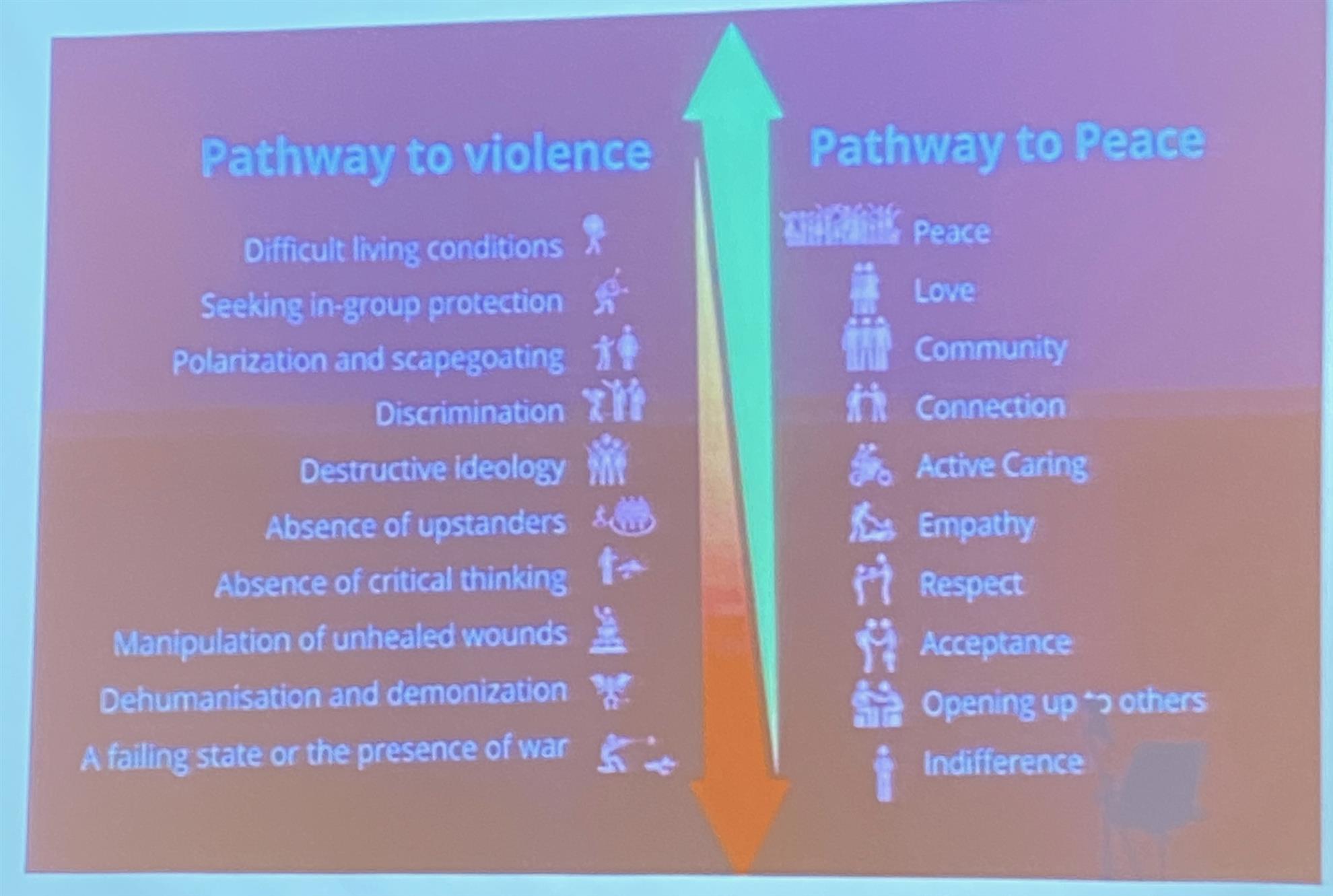
Marva and Crista then showed us the slide below.
"What you have on the left is a pathway to violence," Crista said, and "what you have on the right is a pathway to peace."
Crista clarified that 'Indifference' in this case doesn't mean 'I don't care,' instead, it means, "I'm not personalizing it, which means I can open up to others to create some acceptance."
So the right side is a road map for how we should act and the goals we should have as a community. The right is the opposite of what we should do.
Marva and Crista emphasized that peace requires more than hope, it needs action.
Peace also requires the involvement of young people. This is a big point for Marva and Crista. Marva talked about a Rotarian from Delaware who helped create a bunch of Interact clubs in his district. There are now over 200 Interact students in his district. Marva and Crista would like to do the same in our district as well. We would have peace builders growing in our community with support from this generation," Marva explained.
After their presentation, Marva and Crista took questions from the club. Following the lively conversation, President Martin called the meeting to an end as there was nothing more for the good of Rotary.
Notes taken by Otter.ai., edited by Aidan Harris.



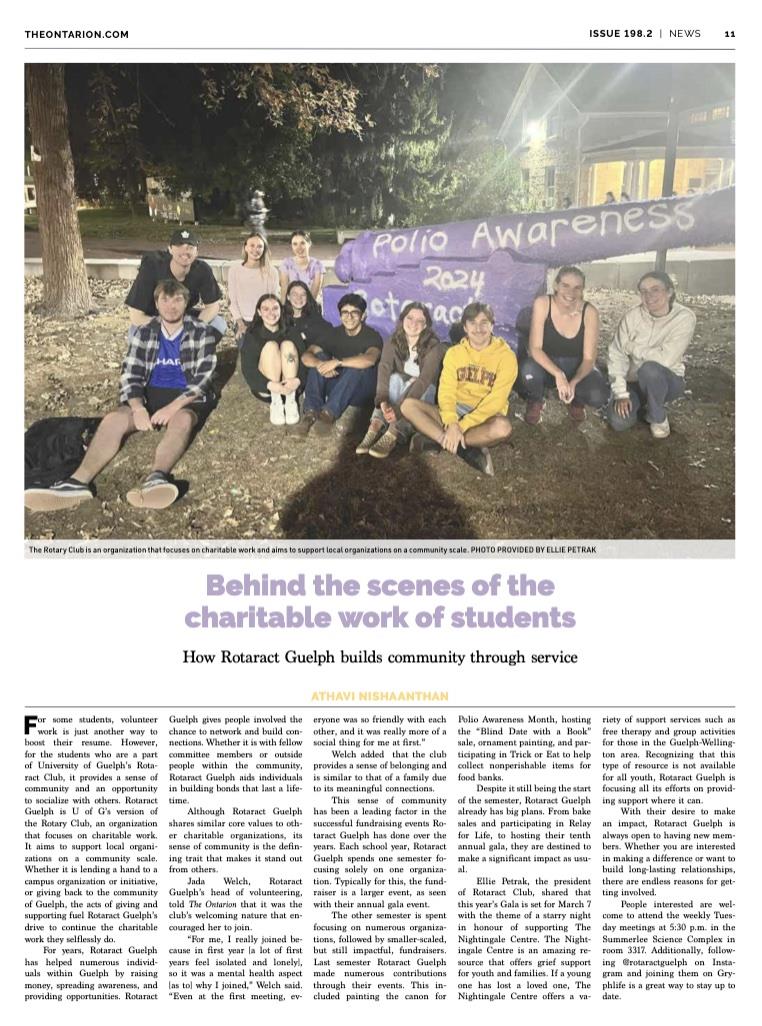
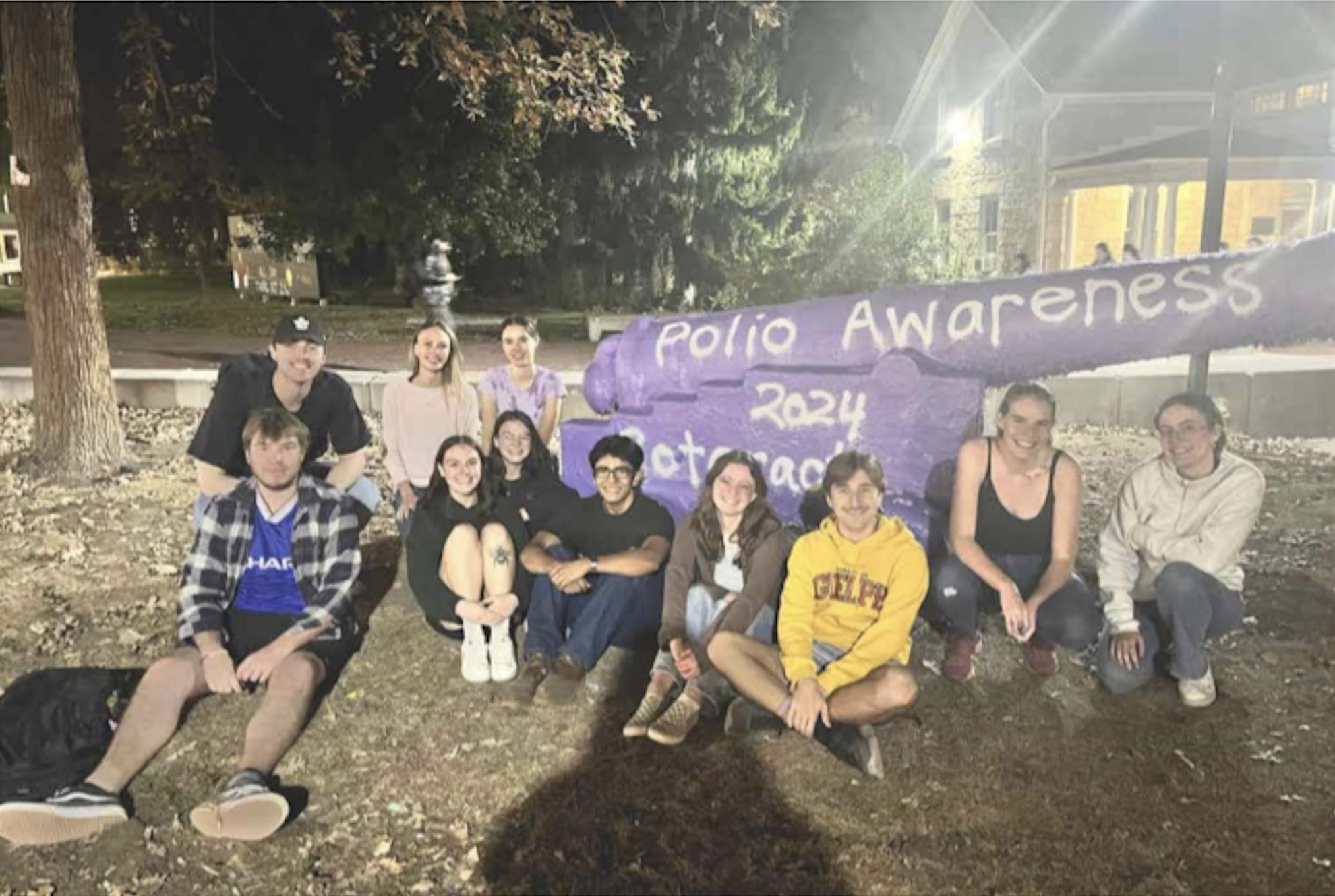 The other semester is spent focusing on numerous organizations, followed by smaller-scaled but still impactful fundraisers. Last semester, Rotaract Guelph made numerous contributions through their events. This included painting the cannon for Polio Awareness Month, hosting the “Blind Date with a Book” sale, ornament painting, and participating in Trick or Eat to help collect nonperishable items for food banks.
.png)